
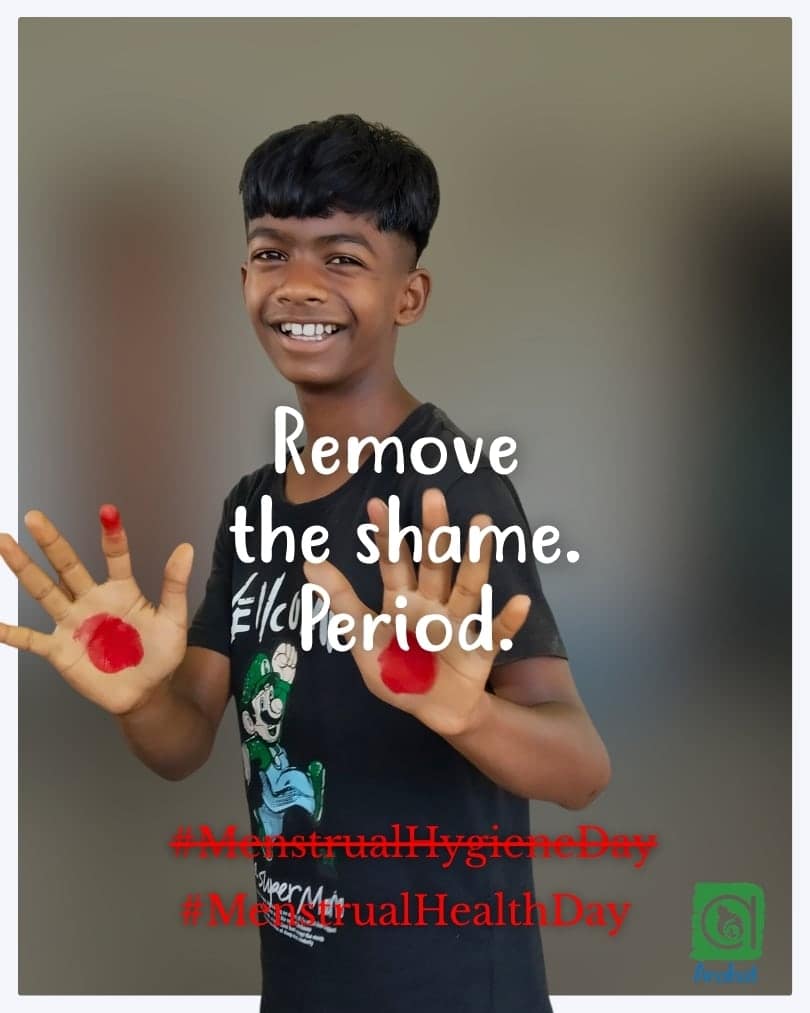
“Menstrual health is defined as complete physical, mental and social wellbeing in relation to the menstrual cycle.” Meaning that the act of menstruation is not limited only to the biological, but is intrinsically connected to the physical body and the care it needs (nutrition and rest), the social environment needed to bleed with dignity (menstrual products, hygienic sanitation, support) and the mental state of the menstruator (to bleed without fear of discrimination, ridicule or shame).
Reflecting how deeply layered menstruation is and the different ways lives of those menstruating can be affected by their ability or lack of it to properly manage their menstrual health.
Good menstrual health is more than just access to safe menstrual products. It is also being able to bleed in peace and without fear of humiliation and punishment.
Millions of women and girls around the world experience period poverty (limited or no access to period products, this employing homegrown unsafe methods like unclean fabric or worse still dried leaves), menstrual education, or adequate water sanitation and hygiene facilities. In addition, cultural norms and stereotypes, stigma, taboos and shame surrounding periods create further hurdles to fully achieving good menstrual health. Although people’s experiences of period poverty are varied and unique, the social determinants of health and structural determinants of gender inequality are crucial in determining period poverty across the globe.
Period poverty and poor menstrual health is experienced by the transgender community as well. Chiefly because sex which is biological and sex, which is a social construct are ignorantly tied together, making it impossible for anyone other than a woman to be allowed to have a period. Trans men therefore suffer at the hands of patriarchal gender stereotypes. So much so, that they feel crippling shame and anxiety which severely affects their mental health leading to traumatic gender dysphoria and even attempts at committing suicide. Their bodies and lived are marked by ridicule and taunts which never stop. All because they don’t “look” a certain way. And that certain way is dictated by heteronormative patriarchy.
Menstruation is weaponised.
The trans community are invisibilised.
Shame is recruited as a patriarchal tool yet again.
Biological arguments and binary gender stereotypes are used to oppress and suppress.
Restricting access to menstrual products and subjecting menstruators to emotional abuse is tantamount to gender based violence.
For period poverty to stop for both cis women and girls and the trans community, menstrual health must be prioritised through all its layers -biological, physical, social and mental.
Periods are not just a sexual and reproductive health issue. Being able to bleed with dignity is a right to life. Plain and simple.
About the images:
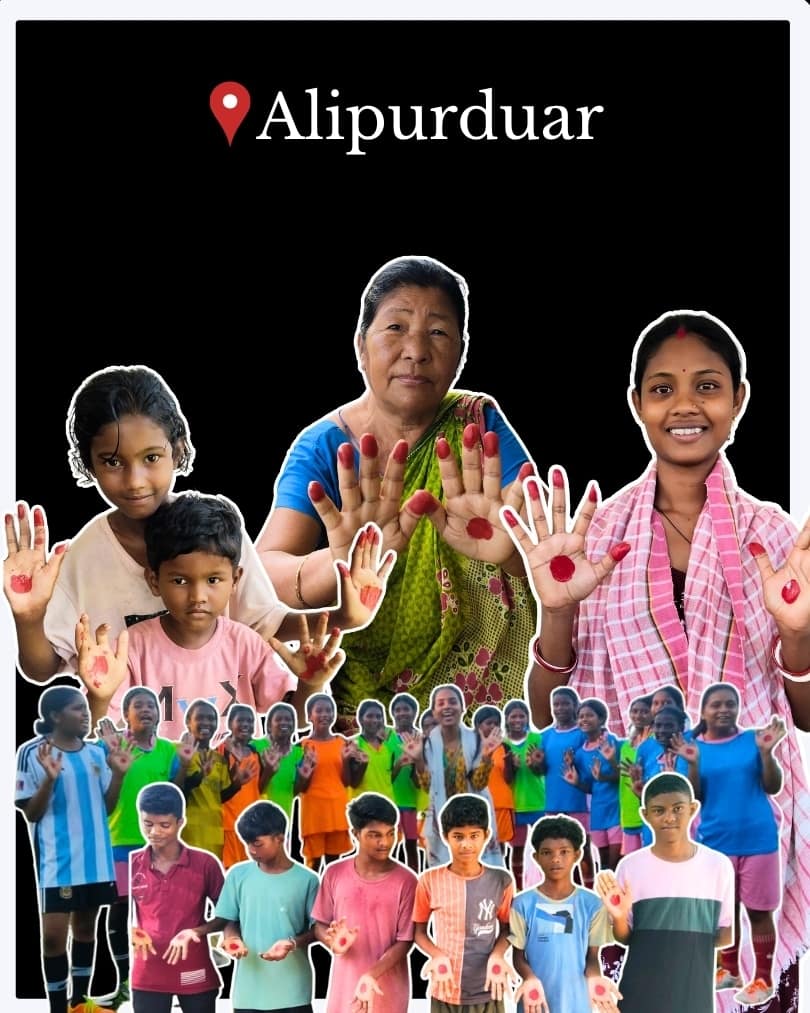
Anahat leaders shared a de-stigmatising approach to period blood with various groups of people, comprising women, girls, boys and men, across the country.


Kolkata marked the day with an important Insta live discussion with @bappadityamukherjee1 of @pranta_katha @annu_freedom_is_courage of @azadfoundationindia and @iamshaan_transman where they unpacked the important distinction between sex and gender and reflected on lived experiences.

Tying us all together was the mighty red dot, drawn with glee and abandon on small, medium sized and wrinkled hands. Symbolising a commitment to create an enabling environment for menstruators to bleed with dignity.
And that starts with calling it Menstrual Health instead of menstrual hygiene. Because there is nothing impure or unhygienic about period blood.